Kathmandu, Nepal — Est. cooperative mill
Cashmere, knit where the mountains begin.
Sagarmatha hand-knits Himalayan cashmere for export production runs and for the people of Kathmandu — one mill, two counters: a wholesale tech-pack and a walk-in shelf.
Mill snapshot
Yarn standard
Grade A Grade A cashmere, sourced yarn by yarn.
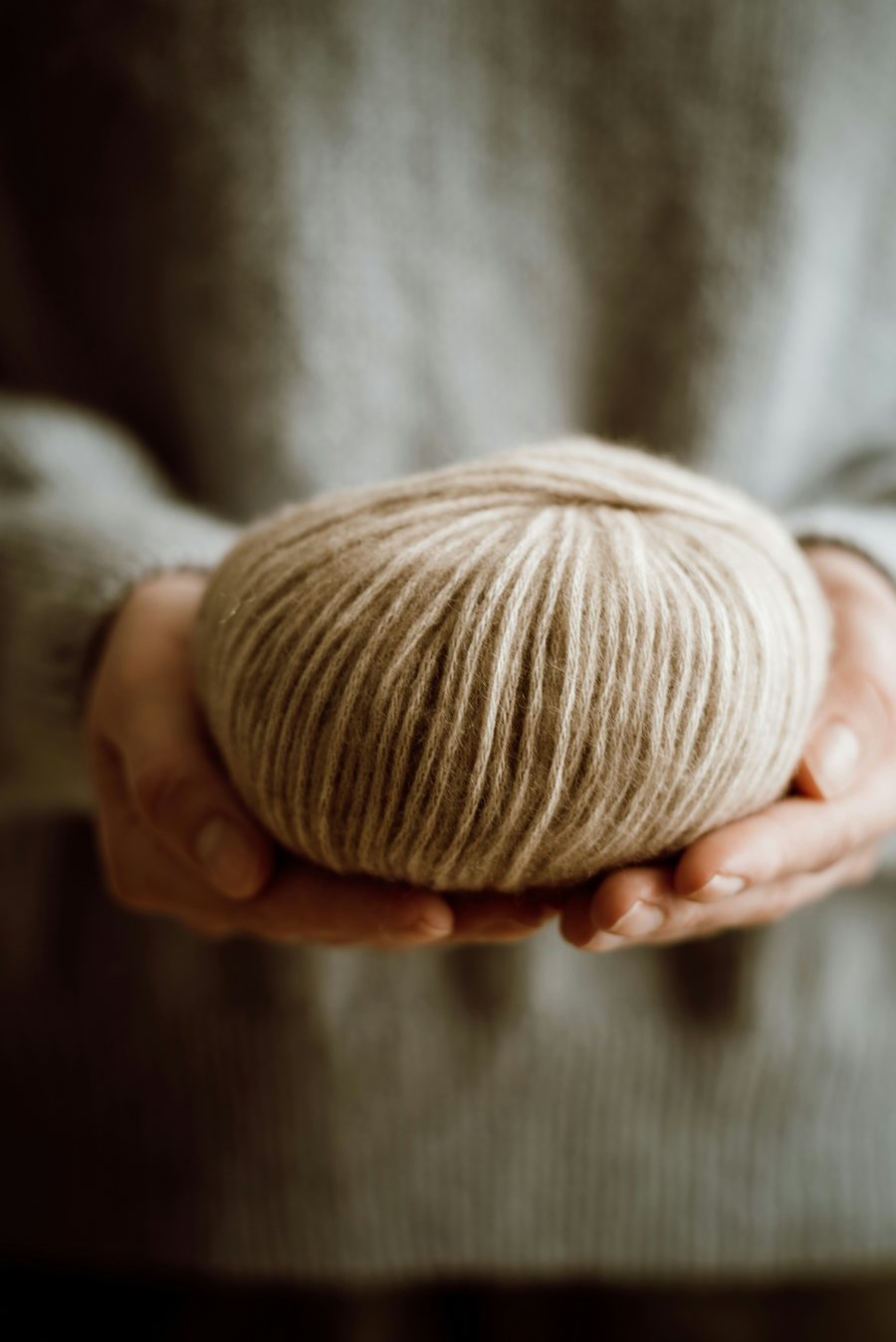
Grade A cashmere comes from goats herded across the high pastures of the Himalaya, combed once a year for the fine undercoat they grow to survive a winter at altitude. Sagarmatha doesn’t comb or spin that fiber ourselves — we source the finished yarn from established regional mills and hold every lot to the same standard before it reaches our floor.
What happens after the yarn arrives is ours. Every panel is knit, hand-linked, and finished inside one mill in Kathmandu. That’s what lets us quote a production run and stock a shop shelf from the same lot.
 Highland pasture, Nepal — standby image
Tech pack
LOT SL-0426Six grades of cashmere, not one.
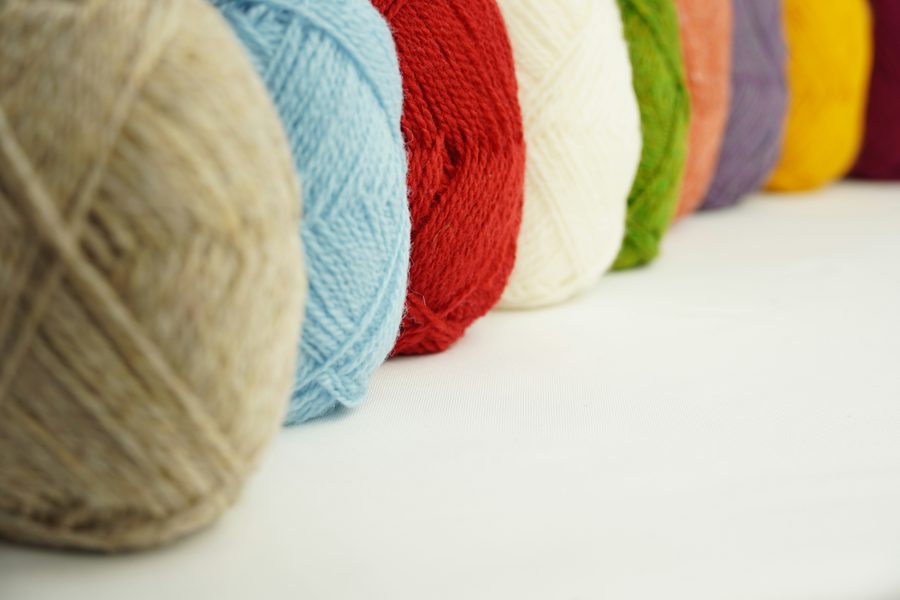
"Cashmere" describes a fiber type, not a single quality. Sagarmatha sources six distinct grades and blends of finished yarn, so a tech pack and a shop shelf can each call for the one that fits the brief.
 15.5–16μ
Grade A Cashmere
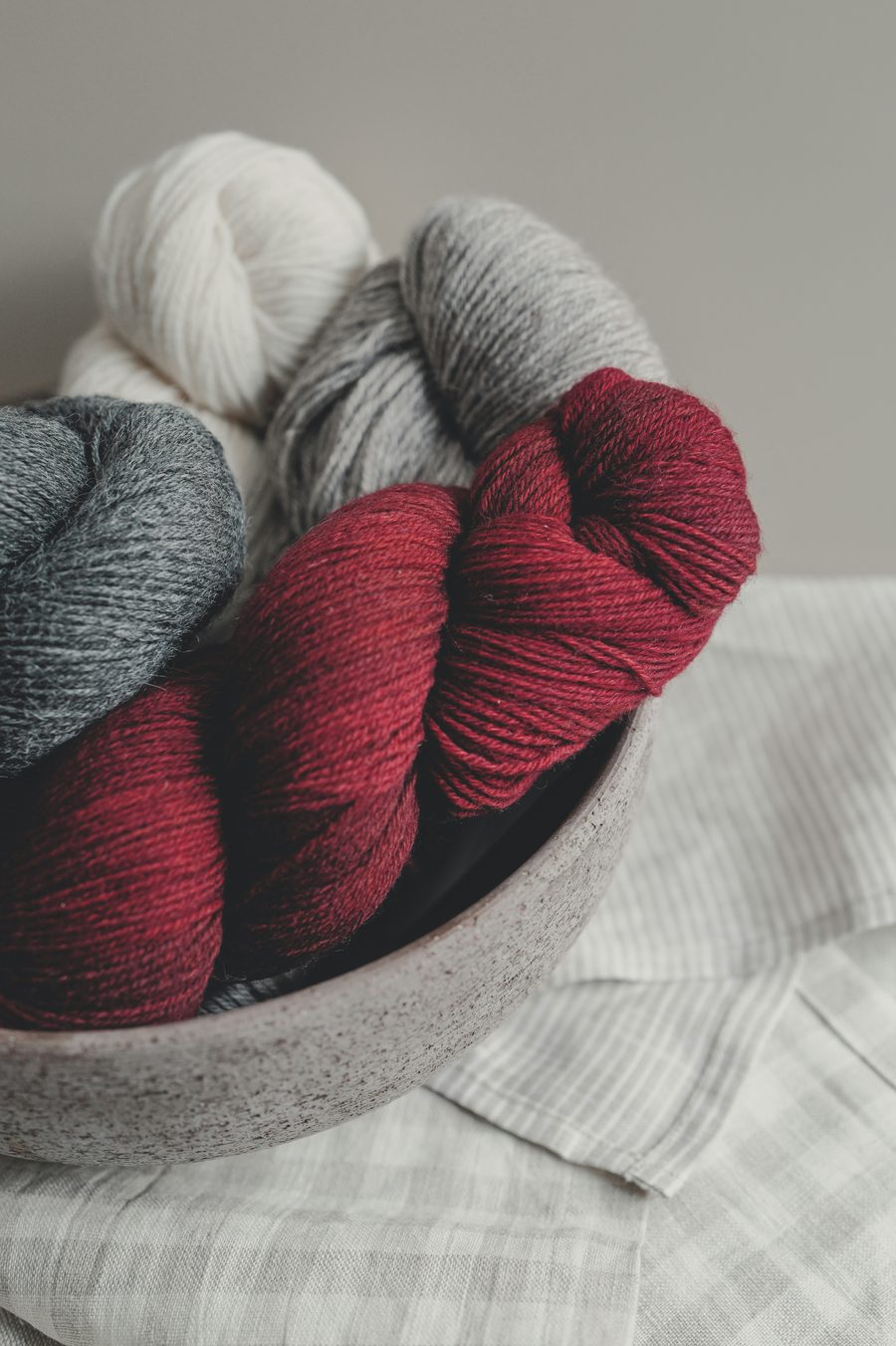
Our house standard. Sourced as finished 2-ply and 4-ply yarn from established regional mills, then knit and finished in Kathmandu. The base yarn behind most Sagarmatha production.
 <14μ
<14μ
Baby cashmere
Spun from fiber combed off kid goats in their first year only. Finer and softer than Grade A, and sourced in far smaller volume — reserved for limited colorways and capsule orders.
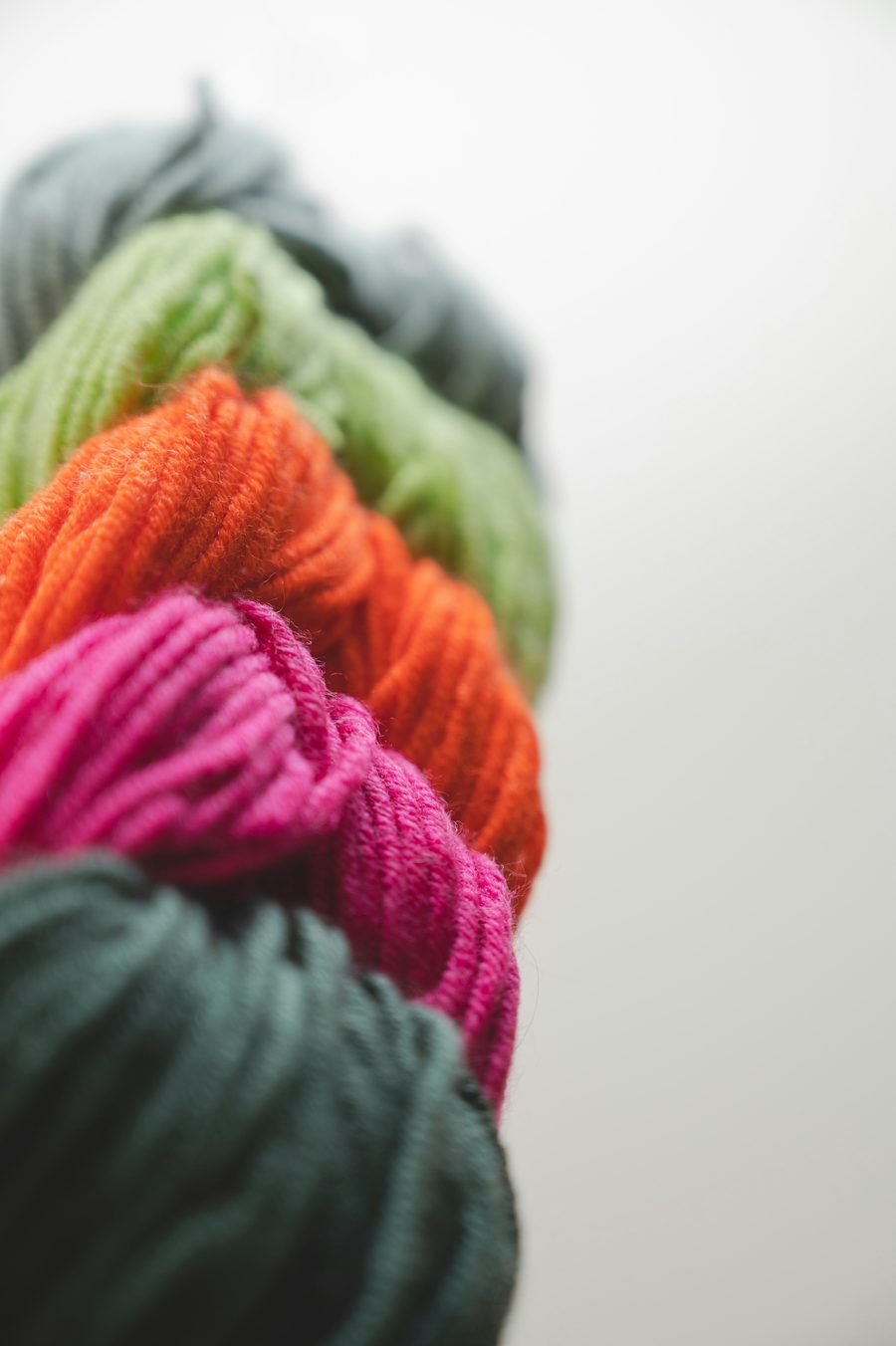 12–14μ
Pashmina-grade
The finest micron we source, hand-spun in the Himalayan shawl-weaving tradition. Used almost exclusively for lightweight wraps and shawls.
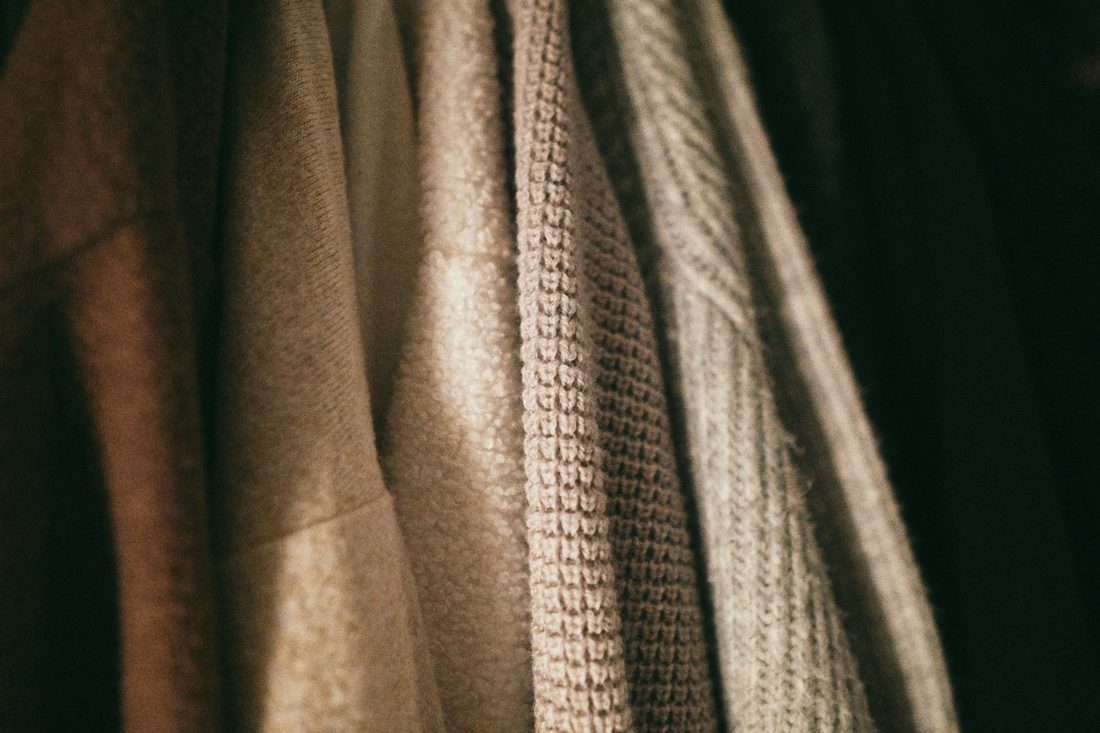 CASHMERE+SILK
Cashmere-silk blend
A cashmere-silk blend yarn, sourced for its sheen, drape, and lighter handle — built for warmer-climate markets that still want a cashmere hand-feel.
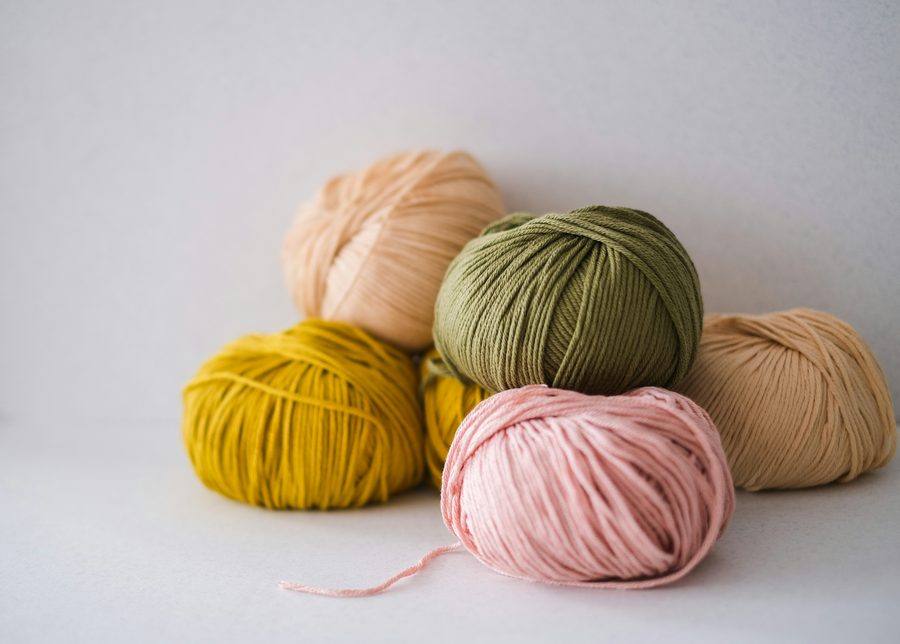 CASHMERE+YAK
Cashmere-yak blend
A cashmere-yak down blend yarn, sourced for rustic warmth at a lower price point — a favorite for heritage-style and outdoor-leaning lines.
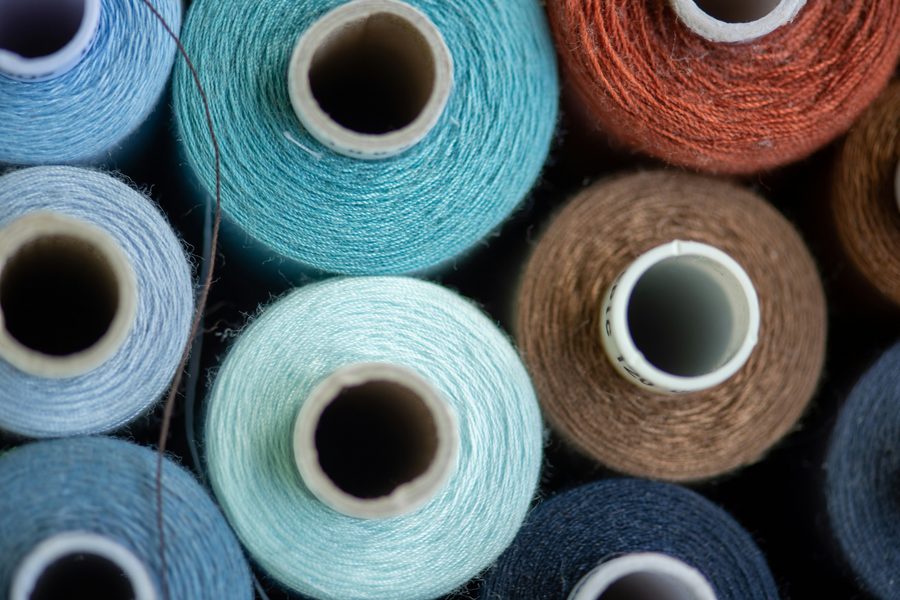 RECYCLED
Recycled cashmere
Reclaimed fiber, re-spun into new yarn by our supply partners. A lower-footprint option for brands building a sustainability-led line.
How to care for cashmere.
Every Sagarmatha piece ships with a care label. These are the four rules behind it.
Hand wash or dry clean
Use cool water (max 30°C) and a gentle wool detergent. Never machine wash — agitation felts the fibre.
Do not bleach
Bleach breaks down the cashmere protein structure. Use colour-safe detergents only.
Dry flat — no tumble dry
Lay flat on a clean towel and reshape while damp. Hanging stretches the knit; heat distorts the gauge.
Iron at cool setting
Use a pressing cloth between the iron and the knit. Steam at low heat — cashmere scorches above 150°C.
Ten steps from yarn to packed piece.
Every garment — export order or local shelf — moves through the same ten stages inside our Kathmandu factory. No steps are outsourced or skipped.
Source
Grade A cashmere yarn (15.5–16 micron) is purchased from established regional mills. Top dyed, lot-verified on arrival.
Inspect
Every incoming lot is checked by hand for micron count, ply, colour, and blend before it's released to the knitting floor.
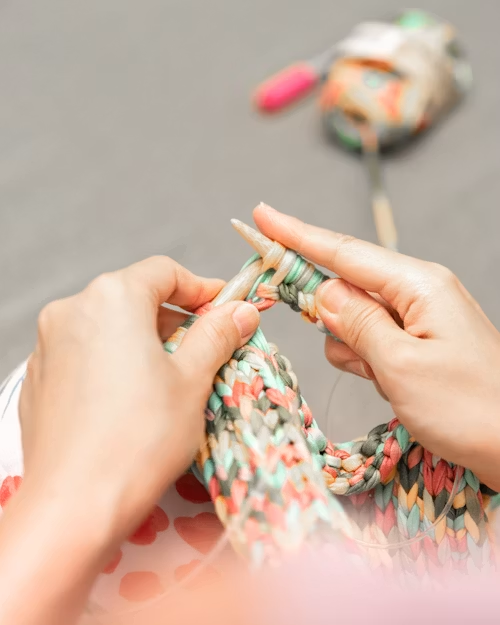
Knit
Panels are knit on flatbed machines at gauge 3–14 GG, using yarn counts from 2/26 to 2/48 NM depending on the brief.
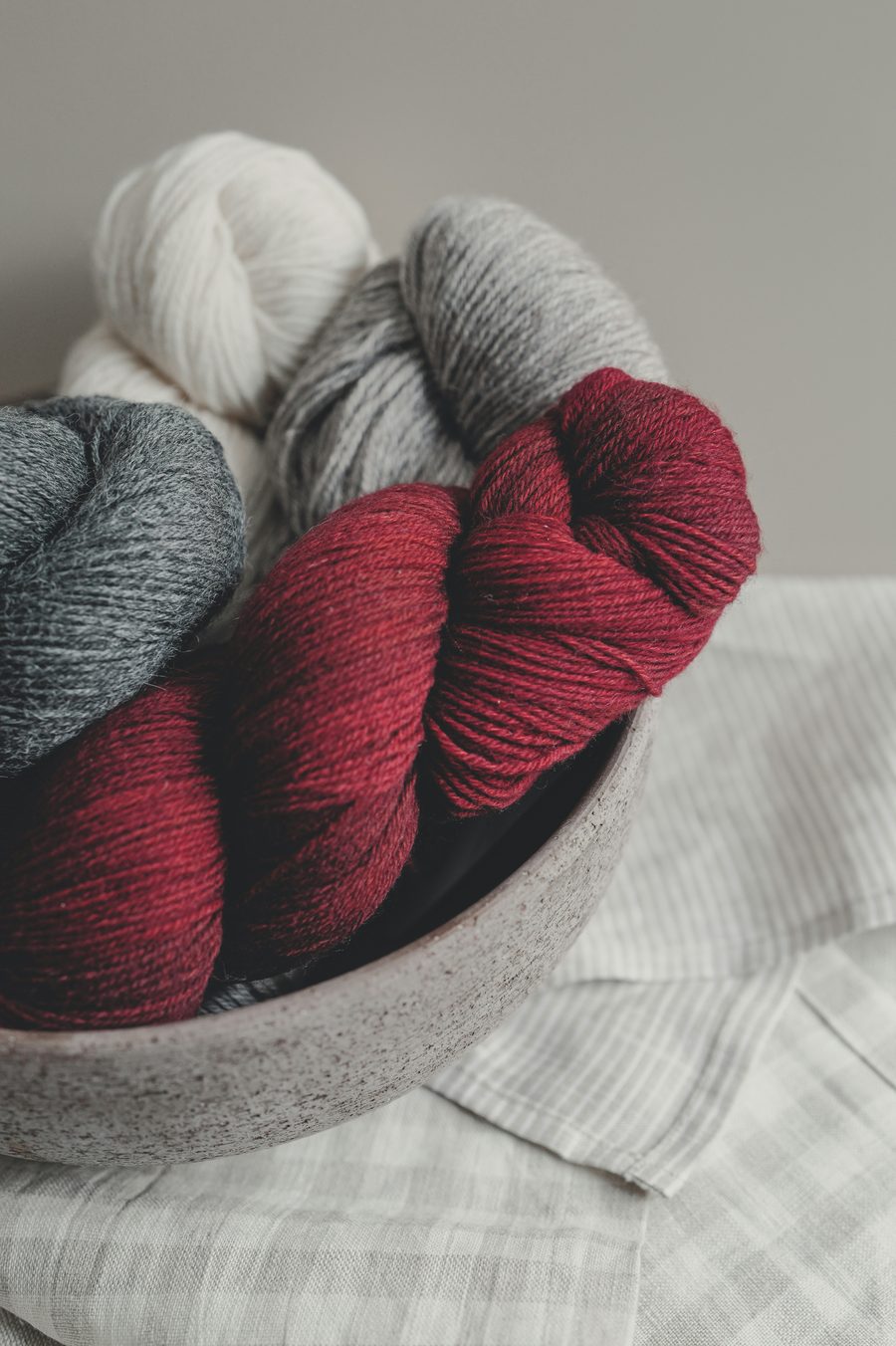
Link
Panels are hand-linked at every seam. This is what gives a Sagarmatha piece its flat, invisible join — it can't be replicated by machine stitching.
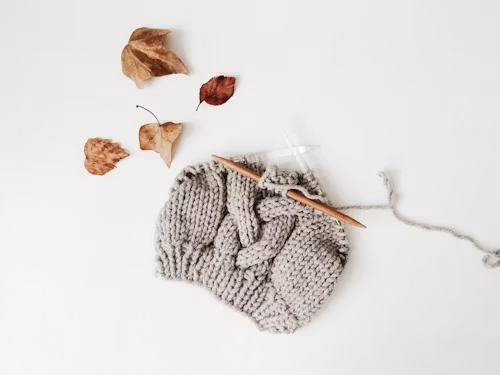
Wash
Each piece is hand-washed to relax the knit, open the fibre, and bring out the characteristic softness of Grade A cashmere.
Dry
Dried flat at room temperature. Tumble drying is never used — it compresses the pile and distorts the gauge.
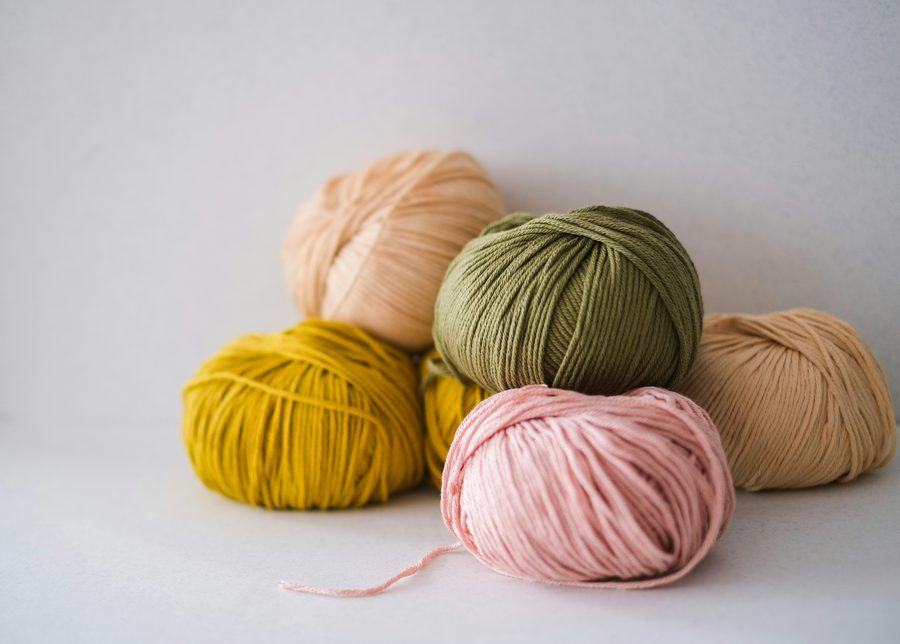
Finish
Any stray ends are hand-mended and trimmed. Embroidery, labels, and any trim work specified in the tech pack are applied at this stage.
Press
Steam-pressed to set the final measurements and surface. Pressing is done at low heat — cashmere scorches above 150°C.
Final check
A 12-point quality check against the original tech pack — measurements, seam integrity, colour, surface, and label placement.
Pack
Folded, tissue-wrapped, and packed per buyer spec — export cartons with CMT details, or individual bags for local market orders.
Built for production runs and pilot orders.
Sagarmatha runs the same floor for two kinds of buyer: brands placing a seasonal order, and shoppers walking in for one sweater. Here's what the production side looks like.
Production
OEM & ODM
Order terms
MOQ & lead time
Certifications
Verified standards
Reach
Export markets
Established 1992. ISO, WRAP, Woolmark, and BSCI certified. Full compliance documentation and audit packs available to verified wholesale buyers on request.
Request a wholesale quoteCommon questions.
The questions wholesale buyers and local customers ask most, answered directly.
Sagarmatha sources Grade A cashmere yarn at 15.5–16 micron from established regional mills. Every lot is top dyed, verified for fibre count, and held to a 100% cashmere standard before it reaches the factory floor.
Baby cashmere is combed from kid goats during their first year and runs under 14 microns, finer and softer than standard Grade A cashmere at 15.5–16 microns. It's rarer and produced in smaller volumes.
Our standard MOQ is 150 pcs bulk · 3 pcs/colour for sampling, with pilot runs available for new accounts. Bulk lead time runs 60–75 days FOB Kathmandu.
Yes — Sagarmatha sells mill-direct pieces through the local market, with pickup or citywide delivery in Kathmandu.
Yes — we produce for export brands in North America, Europe, and East Asia, direct or through an agent, alongside direct mill rates for South Asian buyers.
We source finished cashmere yarn from established regional mills and verify fiber grade and origin on every lot, then keep knitting, linking, and finishing inside one mill in Kathmandu. Compliance and sourcing documentation is available to wholesale buyers on request.
